| A Special Tribute to Lewis Williams Jr. 
Dec. 26, 1958 – Jan. 14, 2004
By Carl Hyde, Prisonersolidarity.org
Jan. 25, 2006 Though Lewis Williams Jr. is no longer among us physically, his resistance against his execution remains in the minds of members of the abolitionist movement in Ohio and around the world. Two years have passed since his execution, yet two questions remain in the minds of many who try to make sense of his demise: One, who was Lewis Williams Jr.? Two, what was his departing message and legacy?
Since Lewis and I had a fairly extensive correspondence, I feel that I knew him and may be able to answer these questions. Lewis impressed me as a sincere, intelligent, articulate and able individual. He used his extensive knowledge of the law to help others on death row. He had much to offer society. He offered much at the time of his death by resisting the efforts of prison guards to execute him. This led prison authorities to reconsider the unprecedented practice of allowing witnesses to observe guards preparing a prisoner for lethal injection. Following his resistance, the Ohio House passed a bipartisan bill calling for a commission to study all capital cases. (The bill died in the Senate but efforts continue.) 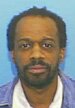 How did Lewis achieve this legacy? When all legal efforts had failed to secure a fair trial and preserve his life, he turned his undivided attention to the One Who gave him life — God. He pled for divine intervention and struggled with his executioners as they tried to lift his small frame onto a gurney and place shunts in his arms. As he was being strapped to the gurney, he cried out at the top of his lungs, “I’m not guilty. God, please help me! I didn’t commit these crimes!” How did Lewis achieve this legacy? When all legal efforts had failed to secure a fair trial and preserve his life, he turned his undivided attention to the One Who gave him life — God. He pled for divine intervention and struggled with his executioners as they tried to lift his small frame onto a gurney and place shunts in his arms. As he was being strapped to the gurney, he cried out at the top of his lungs, “I’m not guilty. God, please help me! I didn’t commit these crimes!”
When asked by the warden if he had anything to say before being put to death, he cried out, “God, please help me! God, please hear my cry!” His pleas shook the soul of his elderly mother, who stood sobbing, observing through a glass window. In addition, it shook the soul of his lawyer, reporters, executioners and all who witnessed his demise. It was quickly reported to us who stood in the parking lot bearing witness to our opposition to state-sponsored murder. His attorney, Stephen Ferrell, excited the prison and spoke to us in the vigil, thanking us for being there. He was in tears. He said, “Not only was it horrible, but I can’t help but feel an accomplice because there was nothing I could do to stop it.” As a Quaker and an advocate of nonviolence, I had to do some thinking about Lewis’ resistance. I concluded that it was a good thing for him to have done. Mahatma Gandhi once said, “Nonviolent resistance to evil is best, but any resistance is better than none.” Welsh poet Dylan Marlais Thomas (1914-53) wrote: Do not go gentle into that good night,
Rage, rage against the dying of the light. Lewis Williams did not go gentle. He resisted. Perhaps we should be proud of his resistance. I remember the heroic rising of the Jews in the Warsaw Ghetto. It was hopeless resistance against the Nazis, but we honor them because those victims of the Nazi extermination policy fought back! So I am glad Lewis resisted. We should honor his resistance. It got the attention of international news media. In spirit and in action, let us honor his legacy and follow his lead by raging against the dying of the light. In Lewis’ memory, —
Carl Hyde
151 West North College St.
Yellow Springs, OH 45387
[email protected] Postscript:
A shorter version of this article appeared in the January 2006 issue of Compassion, a newsletter to develop healing communication between capital punishment offenders and murdered victims’ families. |